Overview
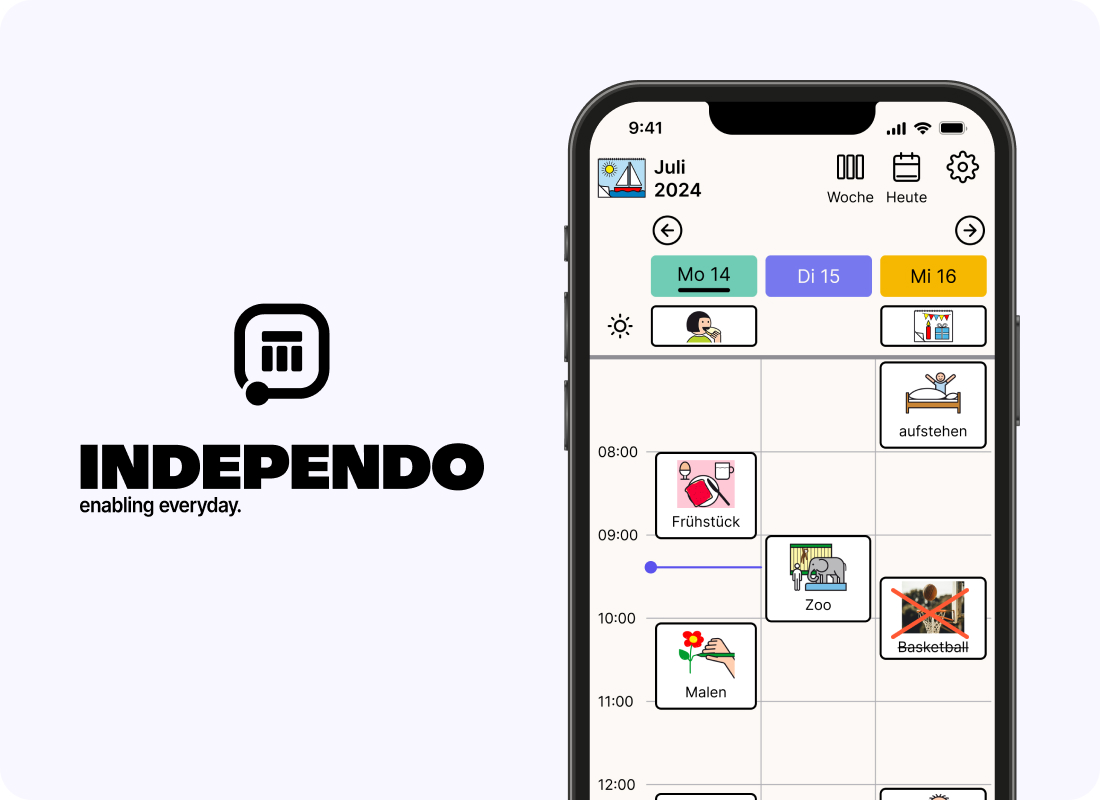
Independo develops image-based web applications for people who struggle with text-based communication. Their mission: promote digital inclusion and make digital products accessible to everyone.
My Role
Product Designer. I planned and conducted co-design workshops. Designed the user flows and User Interface. Tested my results with users.
Team
1 Designer
Co-Design Group
3 Developers
The Problem
Most calendar apps assume their users can read, but text-based interfaces create barriers.
The digital world heavily relies on text-based information. But 780 million individuals worldwide struggle with reading text. Digital calendars are one part of the digital world they are excluded from, restricting their access to a tool most people use every day.
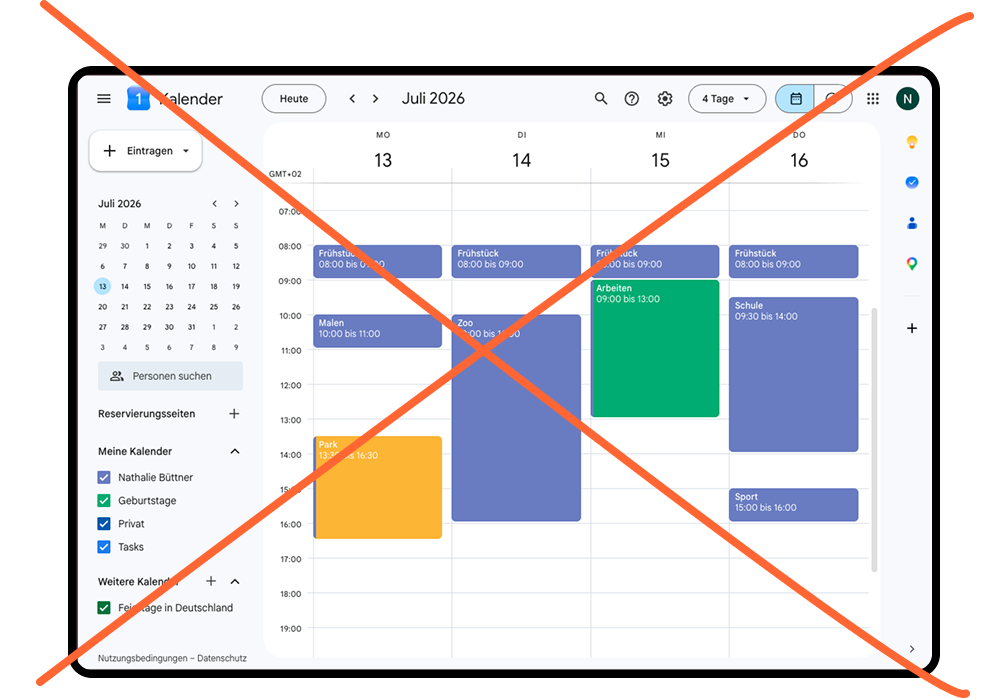

No alternative to text — leaving AAC users without access.

People with cognitive disabilities are largely excluded from digital calendar tools.

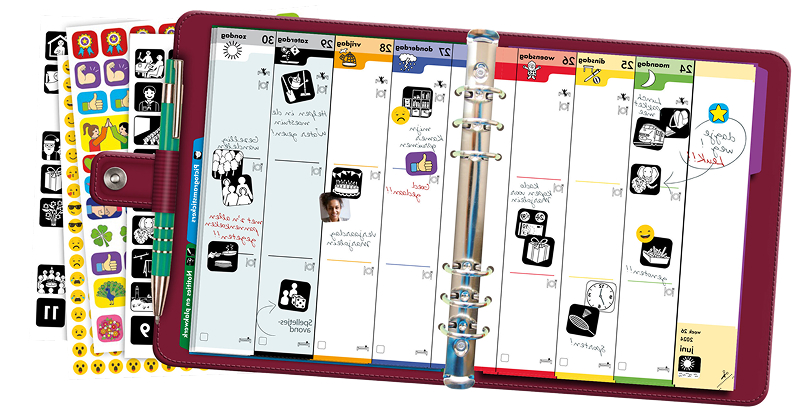
Picture calendars exist, but creating and maintaining them is a caregiver time burden.
Meet the users
One can't read the calendar. One spends hours making it.

Direct Users
People with cognitive disabilities who use symbols and images as their primary way of understanding the world and communicating within it.

Indirect Users
Caregivers — parents, support workers, and family members, who are deeply involved in the daily planning and routines of the people they support.
Solution Preview
Independo Calendar. A digital calendar for everyone who reads in pictures.
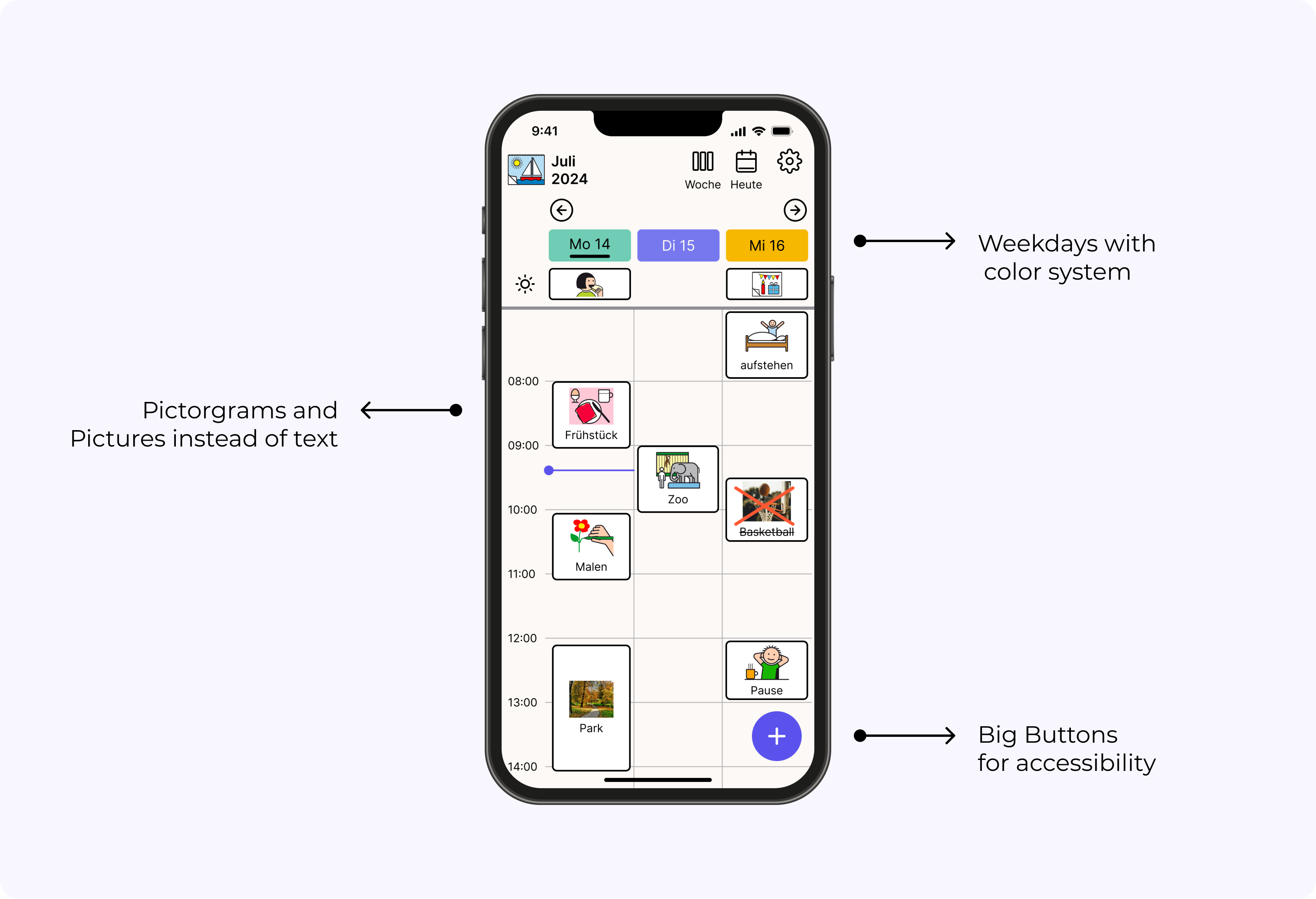
5.6 million individuals with cognitive disabilities use symbols instead of text to communicate, a method known as alternative communication (AAC). Independo Calendar is built around this, using Metacom symbols (most widely used by AAC users) and pictures as its visual language, enabling people with cognitive disabilities to independently plan their week and participate in the digital world on their own terms.
Research
Current solutions
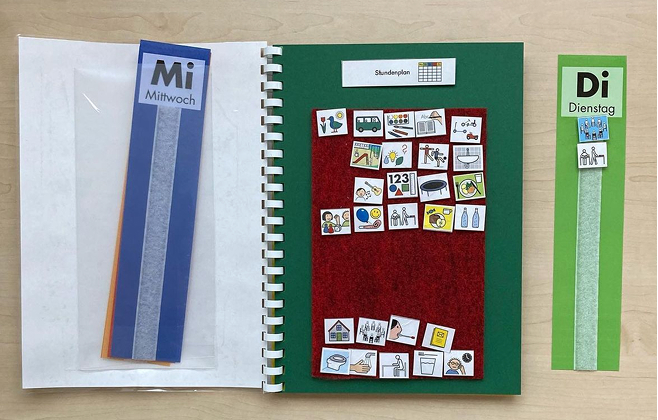
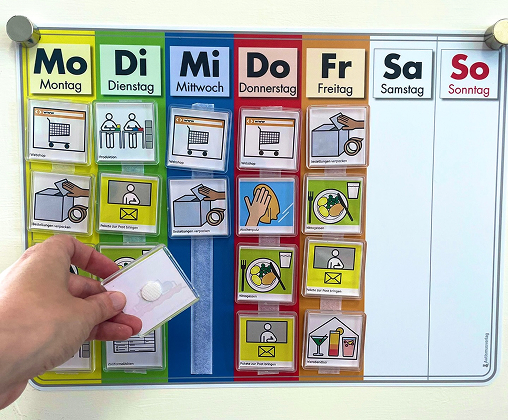
Currently, most people in this user group rely on analogue calendars, often prepared and maintained manually by support workers or parents. This creates a significant overhead: calendars are time-consuming to set up, difficult to update, and quickly become outdated. And when something changes unexpectedly, like a cancelled appointment, there's no easy way to update the calendar remotely.
User Need Statements
Behind these statements are conversations, with caregivers in the field and with people with cognitive disabilities themselves. Visits to different institutions gave better insight into how time planning actually happens in practice and how existing analogue solutions are used.
[A user] needs [need] in order to accomplish [goal]
- As a user, I want to be able to get an overview of my daily and weekly events.
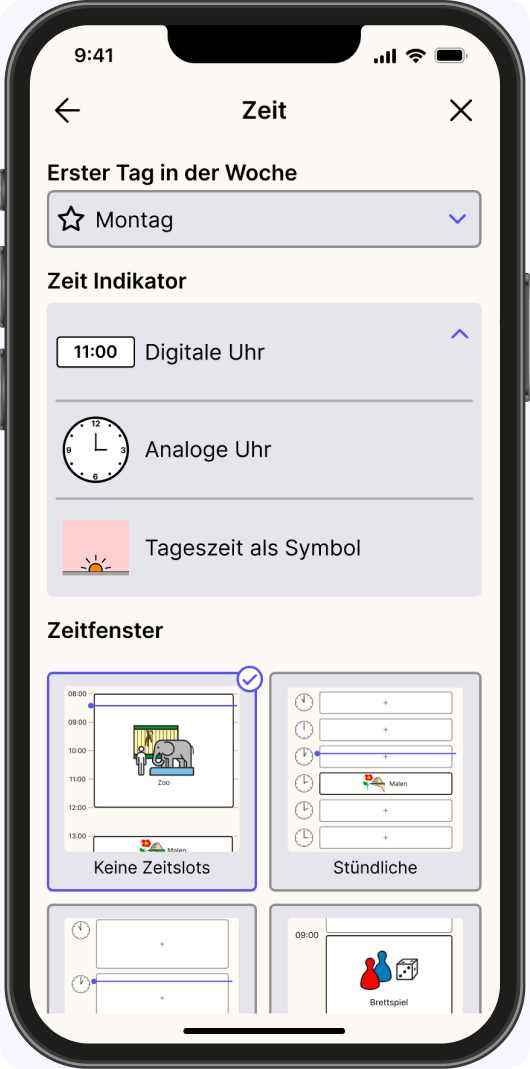
- As a user, I want to see what time of day it currently is and when events take place in a way I can understand, to help me organize my day.
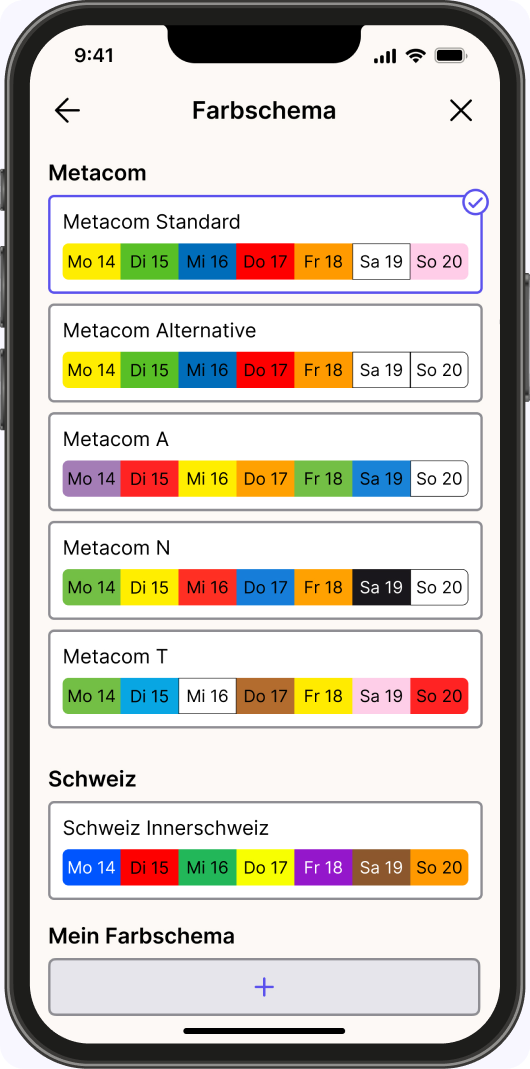
- As a user, I want the color of a day to match the one I am used to, to transition smoothly from my analogue calendar.
- As a user, I want events to be displayed as pictograms or images so I can understand them without reading.
- As a user, I want to see canceled events to avoid confusion when they no longer appear in my calendar.
- As a user, I want to share how happy I was at an event to capture my feelings.
- As a user, I want to be able to customize the UI and toggle features based on my skills, to personalize the app the way I would like to use it.
- As a user, I want to synchronize an external calendar to translate text-based events into image-based ones in my calendar.
Co-Design Process
Designed together with the users, not for them.
Designing for this user group comes with unique challenges. Since I cannot relate to the way they think and experience the world, making assumptions about their needs was never an option. That is why it was crucial to build this product together with the users, through a co-design process with two dedicated co-design groups.
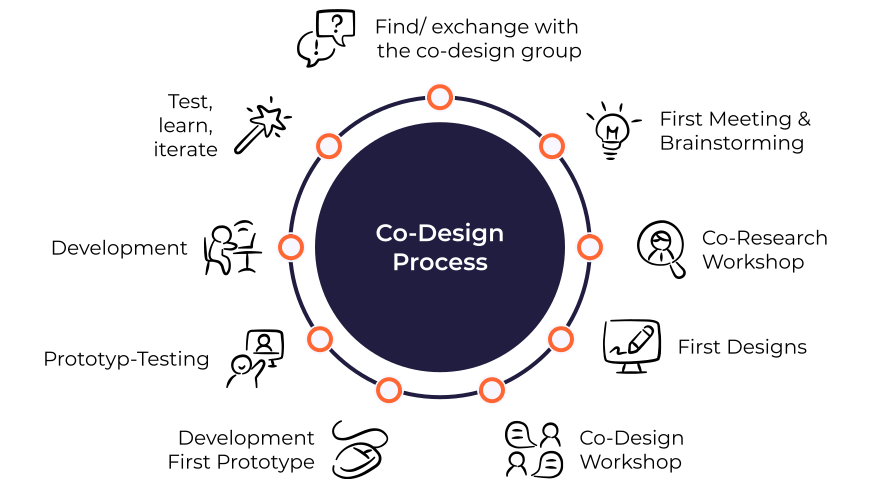
Design based on user needs, not assumptions.
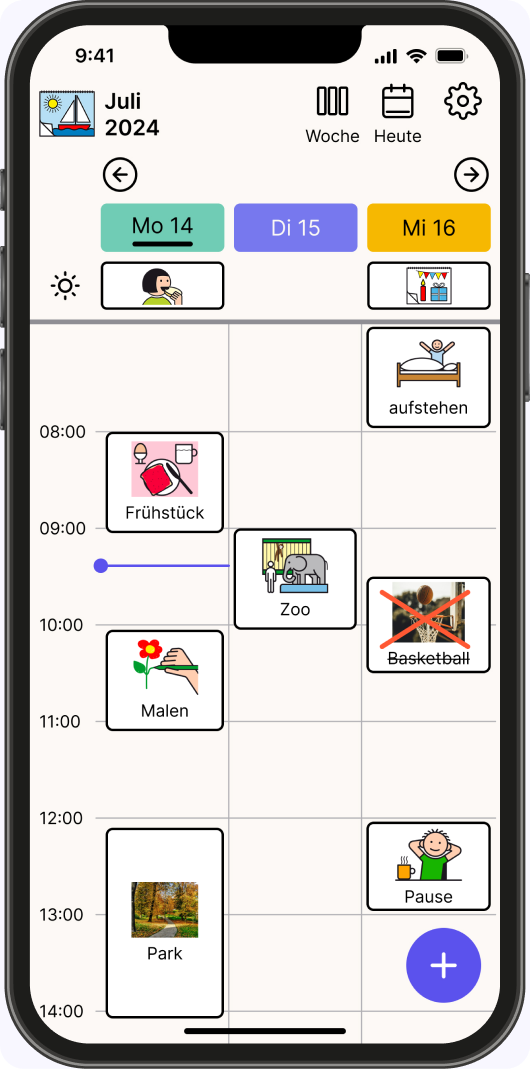
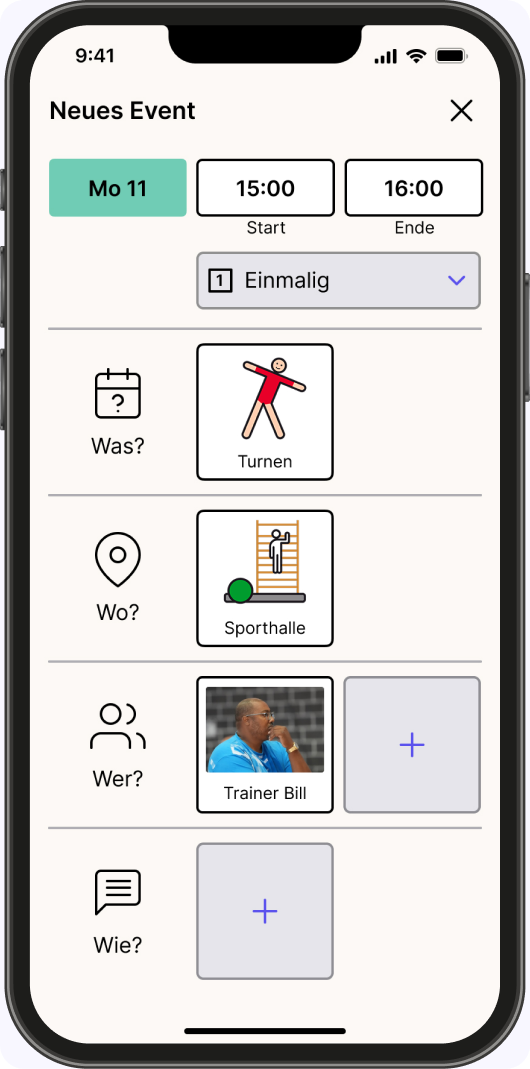

As a user, I want to see what time of day it currently is and when events take place in a way I can understand.
As a user, I want events to be displayed as pictograms or images so I can understand them without reading.
As a user, I want to be able to plan my week in a visual calendar independently.
As a user, I want to be able to customize the UI and toggle features based on my skills, to personalize the app the way I would like to use it.
As a user, I want to set the color of a day to match the one I am used to, to transition smoothly from my analogue calendar.
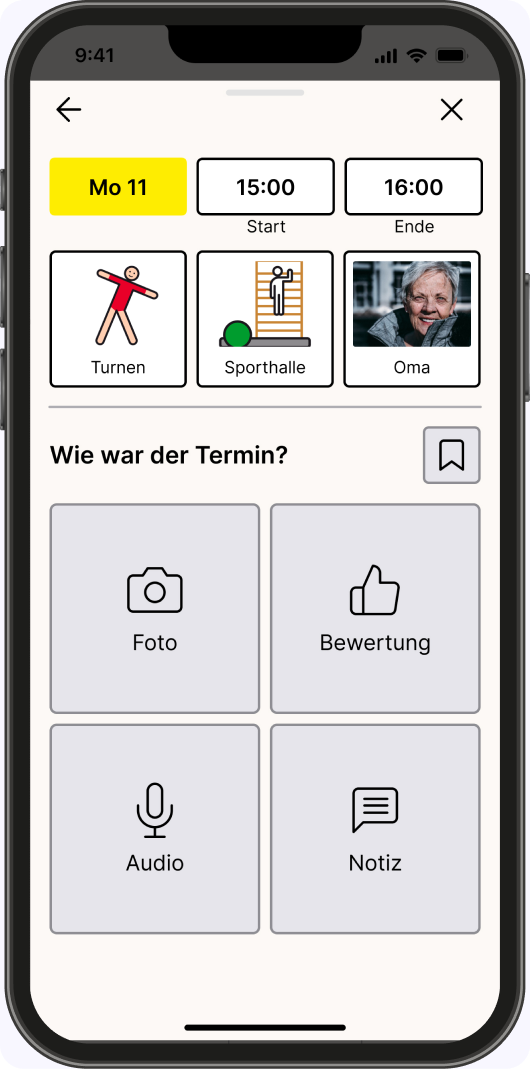
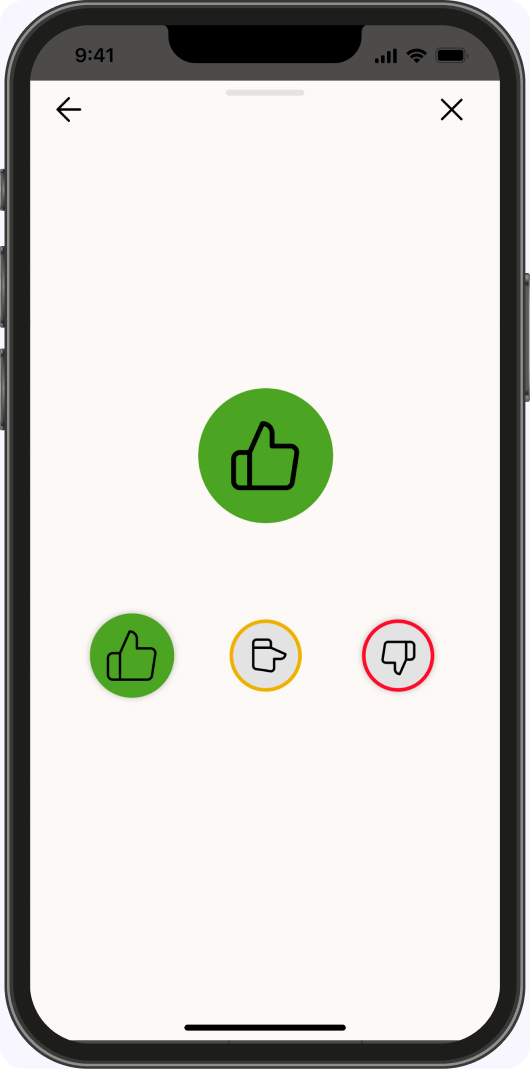
As a user, I want to recap past events using alternative communication to reflect on my experiences independently.
As a user, I want to share how happy I was at an event to capture my feelings.
Thanks for stopping by!
If you wanna get more insights about this project please reach out!